Stop Trump: Insights from 'Not Our Fu@king Prince'
In the tumultuous landscape of American politics, few figures have sparked as much debate and division as Donald Trump. The recent book, Not Our Fu@king Prince, delves into the complexities of his presidency, the impact of his policies, and the fervent reactions from both supporters and detractors. This blog post aims to unpack some of the key insights from the book, exploring how they resonate with current political sentiments and the broader implications for the future of American democracy.
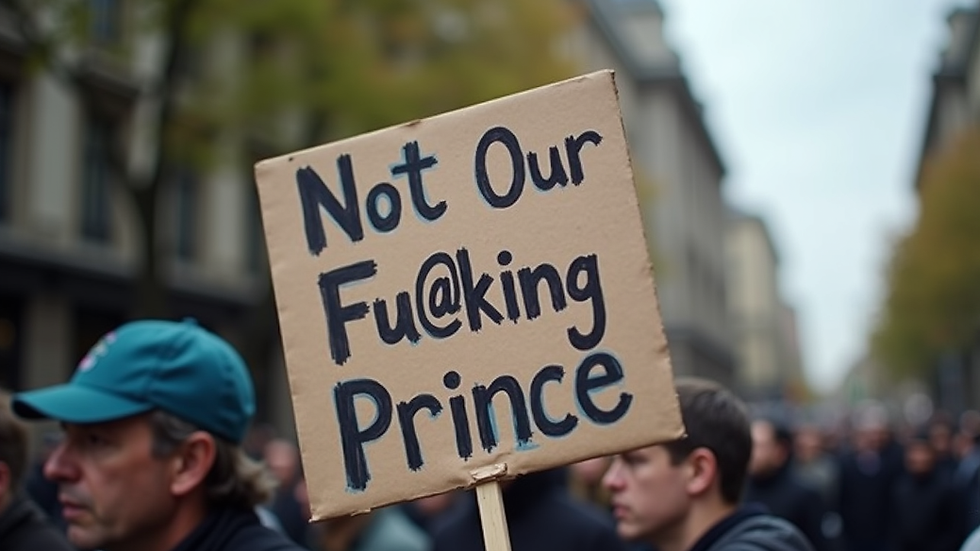
Understanding the Title: A Statement of Defiance
The title of the book itself is a bold declaration. It encapsulates the frustration and anger felt by many Americans who believe that Trump's approach to governance is not only unconventional but also detrimental to the values they hold dear. The phrase "Not Our Fu@king Prince" serves as a rallying cry for those who feel marginalized by his policies and rhetoric.
The Roots of Discontent
To fully grasp the sentiments expressed in the book, it's essential to understand the roots of discontent among various groups. Many critics argue that Trump's presidency has been characterized by:
Polarization: Trump's style has often exacerbated divisions within the country, leading to a more fragmented political landscape.
Populism: His appeal to the "common man" has resonated with many, but it has also alienated traditional political structures and norms.
Policy Decisions: From immigration to healthcare, Trump's policies have sparked significant debate and protest, leading many to feel that their voices are not being heard.
Key Themes from Not Our Fu@king Prince
The Role of Media in Shaping Perception
One of the book's central themes is the role of media in shaping public perception of Trump. The author argues that the media's coverage has often been sensationalized, creating a narrative that both supports and undermines Trump's presidency. This duality has led to confusion among the electorate, making it difficult for individuals to discern fact from fiction.
The Impact of Social Media
Social media platforms have played a crucial role in amplifying Trump's message. His ability to communicate directly with his base has allowed him to bypass traditional media channels, creating a unique dynamic in political discourse. However, this has also led to the spread of misinformation and a lack of accountability.
The Importance of Grassroots Movements
The book highlights the significance of grassroots movements in countering Trump's influence. Activism has surged in response to his policies, with many individuals taking to the streets to voice their dissent. This grassroots energy has the potential to reshape the political landscape, as seen in recent elections where voter turnout among young people and marginalized communities has increased.
The Future of American Democracy
As the book concludes, it raises critical questions about the future of American democracy. Can the political system withstand the challenges posed by populist leaders? Will the electorate continue to engage in meaningful discourse, or will divisions deepen? These questions are not just theoretical; they have real implications for the direction of the country.
The Impact of Trump's Presidency on Various Demographics
Women and Minorities
Trump's presidency has had a profound impact on women and minority groups. Many have felt that his policies and rhetoric have marginalized their voices, leading to increased activism and advocacy. The book discusses how these groups have mobilized in response, pushing back against policies that they perceive as discriminatory.
The Young Voter Demographic
Young voters have emerged as a significant force in recent elections, driven by issues such as climate change, social justice, and economic inequality. The book emphasizes the importance of engaging this demographic, as they represent the future of American politics. Their activism and voting patterns could determine the outcome of future elections.
Lessons Learned from Not Our Fu@king Prince
The Power of Collective Action
One of the key takeaways from the book is the power of collective action. The protests, rallies, and grassroots movements that have emerged in response to Trump's presidency demonstrate that individuals can come together to effect change. This collective spirit is essential for a healthy democracy.
The Need for Informed Citizenship
The book also underscores the importance of informed citizenship. In an era of misinformation, it is crucial for individuals to seek out reliable sources of information and engage in critical thinking. This not only empowers citizens but also strengthens the democratic process.
Embracing Diversity of Thought
Finally, Not Our Fu@king Prince advocates for embracing diversity of thought. While it is easy to fall into echo chambers, engaging with differing perspectives is vital for a functioning democracy. This openness can lead to more productive conversations and a deeper understanding of the complexities of governance.
Moving Forward: What Can We Do?
Engage in Local Politics
One of the most effective ways to make a difference is by engaging in local politics. Attend town hall meetings, join community organizations, and advocate for issues that matter to you. Local politics often have a direct impact on your community and can serve as a springboard for broader change.
Educate Yourself and Others
Take the time to educate yourself about the political landscape. Read books, follow reputable news sources, and engage in discussions with others. Share your knowledge with friends and family to foster informed conversations about important issues.
Support Grassroots Movements
Consider supporting grassroots movements that align with your values. Whether through donations, volunteering, or simply spreading the word, your support can help amplify the voices of those advocating for change.
Conclusion: A Call to Action
Not Our Fu@king Prince serves as a powerful reminder of the importance of civic engagement and the need for a collective response to the challenges facing American democracy. As we navigate this complex political landscape, it is crucial to remain informed, engaged, and committed to the principles of justice and equality. The future of our democracy depends on it.
By taking action, whether through local politics, education, or supporting grassroots movements, we can work together to create a more inclusive and equitable society. The time to act is now.


Comments